
Tesamorelin 10 mg Dosage Protocol
Table of Contents
What is Tesamorelin?
Tesamorelin is a synthetic 44-amino-acid peptide analogue of endogenous Growth Hormone-Releasing Hormone (GHRH). It operates by selectively binding to and activating GHRH receptors in the anterior pituitary gland, stimulating the pulsatile secretion of endogenous growth hormone and subsequently elevating Insulin-like Growth Factor 1 (IGF-1) levels. In scientific literature and clinical trials, this cascade is highly documented for its potent lipolytic mechanisms, specifically targeting the reduction of deep visceral adipose tissue (abdominal fat). Tesamorelin remains an experimental compound and is supplied strictly as a research material for in-vitro laboratory testing and metabolic evaluation models.
Potential Areas of Research
- Visceral Adipolysis: Extensively studied for its mechanism of accelerating the breakdown of deep visceral fat depots.
- Metabolic Homeostasis: Evaluated in research models for its capacity to optimize lipid profiles and reduce hepatic fat fractions.
- Cognitive Neuro-Resilience: Investigated for its potential to restore age-related declines in the GH/IGF-1 axis to analyze impact on cognitive structures.
- Anabolic Tissue Integrity: Profiled in cellular assays for downstream improvements in protein synthesis and nitrogen retention.
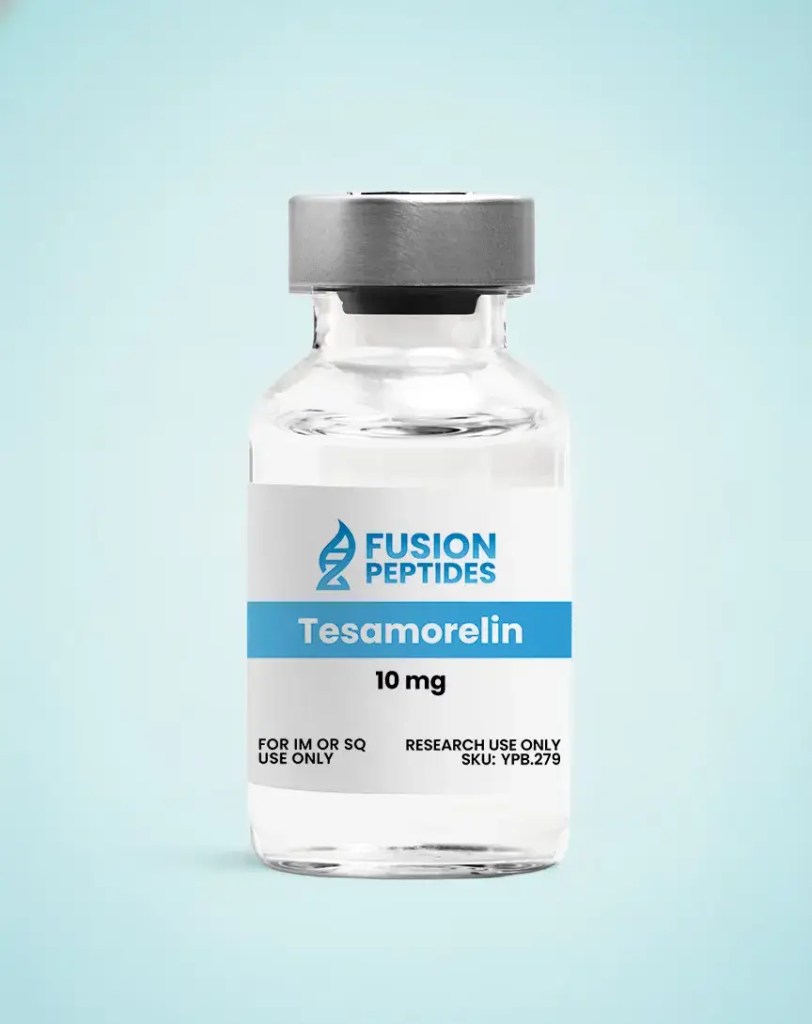
Tesamorelin 10 mg Dosage Protocol
- Vial Size: 10 mg
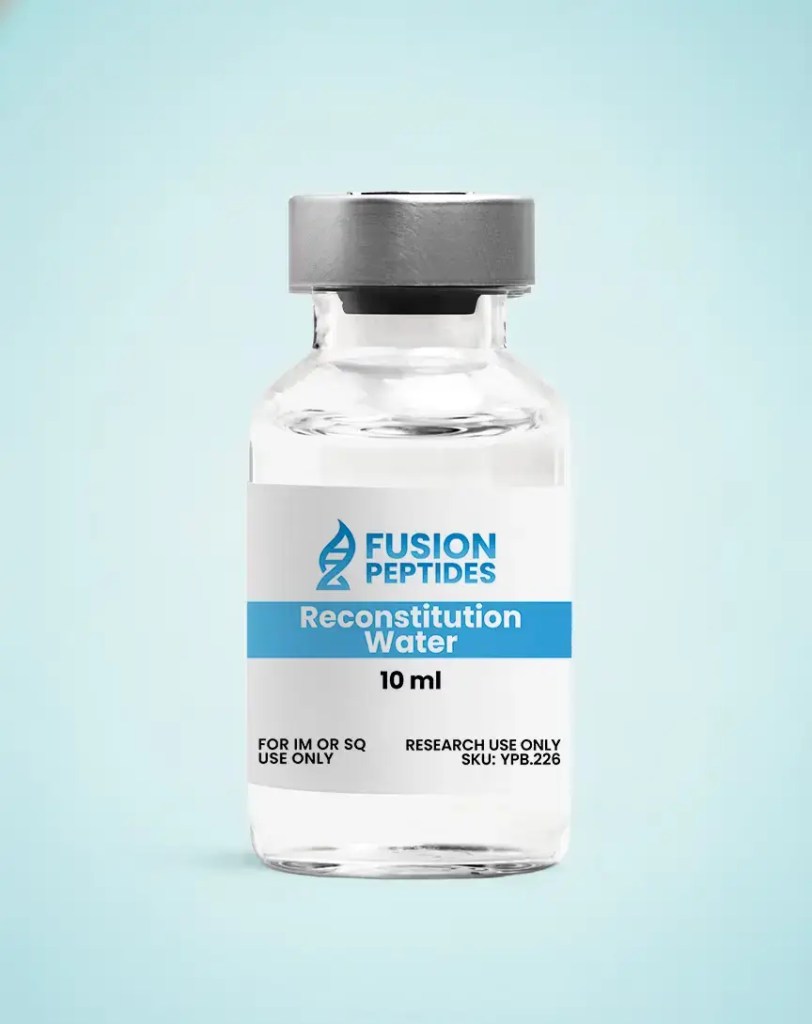
- Reconstitution: 3.0 mL Bacteriostatic Water
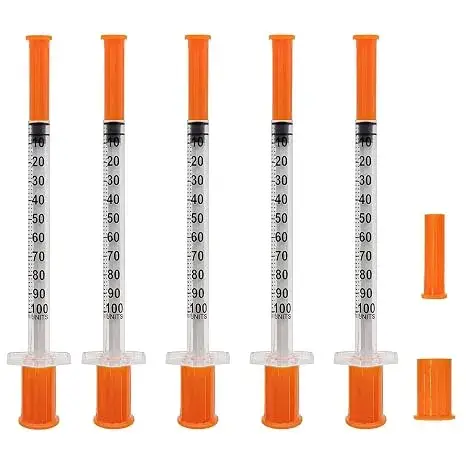
- Concentration: ~3.33 mg/mL (33.3 mcg per Syringe Unit)
- Administration: Subcutaneous Injection
- Frequency: Once Daily (typically administered in the evening to mirror natural nocturnal growth hormone release)
Dosage Chart
Weeks
Daily Dose
Syringe Units (100-Unit / 1mL Syringe)
Reconstitution
- Allow the lyophilized vial to reach room temperature prior to mixing to minimize moisture condensation inside the vial.
- Slowly introduce 3.0 mL of sterile bacteriostatic water into the vial using a sterile syringe.
- Direct the stream against the inner glass wall of the vial, letting the diluent trickle down gently to prevent foaming.
- Gently swirl or roll the vial between your palms until the white crystalline powder completely dissolves. Do not shake.
- Inspect the fluid layer post-reconstitution; the solution must be clear and colorless. Discard if any cloudiness or precipitate forms.
Storage
- Before reconstitution: Store refrigerated at 2–8°C (35.6–46.4°F) or frozen at −20°C (−4°F) for maximum stability. Keep in a dark space protected from light.
- After reconstitution: Store refrigerated at 2–8°C (35.6–46.4°F) and use within 7 days.
- Important: Do not freeze the peptide after it has been mixed into liquid form. Avoid repeated freeze-thaw cycles, which break down the 44-amino-acid chain.
Injection & Handling Technique
To maintain strict experimental control and reduce tissue reactions, follow standard subcutaneous protocols:
- Site Selection: Administer subcutaneously into the fatty layer of the abdomen (at least 2 inches away from the navel), outer thighs, or the back of the upper arms.
- Systematic Site Rotation: Always rotate the injection site daily across different quadrants to reduce the risk of localized skin irritation and prevent lipohypertrophy.
- Administration Speed: Inject the solution slowly and steadily over 5 to 10 seconds. Release the skin pinch before full needle withdrawal to ensure complete delivery into the subcutaneous tissue.
Technical Research Note
Regulatory Compliance Disclaimer
IMPORTANT NOTICE: This product is engineered and distributed exclusively for in-vitro laboratory testing and scientific research applications. It is strictly NOT a medicine, drug, or dietary supplement and is not intended for human consumption or veterinary use. This compound has not been evaluated or approved by the MHRA, FDA, or EMA. Any use outside of legitimate, controlled laboratory environments is strictly prohibited. The purchaser assumes all liability for the safe handling and legal compliance of this material.
View Supplier

References
- Tesamorelin – LiverTox: Clinical and Research Information on Drug-Induced Liver Injury
- Tesamorelin can improve cognitive function (Research Highlight)
- Tesamorelin Injection – MedlinePlus Drug Information
- EGRIFTA SV (tesamorelin) – Full Prescribing Information
- Tesamorelin: Uses, Dosage, Side Effects, Warnings
- Administration of Parenteral Medications – Nursing Skills (Open RN Textbook)