
BPC-157 5 mg Dosage Protocol
Table of Contents
What is BPC-157?
BPC-157 (Body Protection Compound-157) is a synthetic 15-amino-acid pentadecapeptide derived from a sequence found in human gastric juice. It is widely recognized in regenerative research for its cytoprotective, anti-inflammatory, and tissue-healing properties.
Preclinical animal models have demonstrated that BPC-157 accelerates the healing of various tissues—including tendons, ligaments, skeletal muscle, bone, blood vessels, and the gastrointestinal tract. It is believed to function primarily by upregulating growth factor expression (such as VEGF) to promote angiogenesis (new blood vessel growth) and modulating nitric oxide (NO) pathways.
While human clinical data remains emerging (including Phase I safety trials and orthopaedic case reports), subcutaneous administration protocols are commonly used in research settings to assess systemic and localized recovery.
Potential Areas of Research
- Tendon, Ligament & Muscle Repair: Extensively studied in orthopaedic models for accelerating connective tissue healing and promoting tendon-to-bone reattachment.
- Gastrointestinal & Mucosal Integrity: Researched for protecting gastric mucosa, healing ulcers, and supporting inflammatory bowel conditions.
- Angiogenesis & Nitric Oxide Signaling: Profiled for driving new blood vessel formation to restore blood supply to damaged or ischemic tissues.
- Cytoprotection & Systemic Inflammation: Examined for counteracting localized organ damage, NSAID-induced toxicity, and tissue inflammation.
BPC-157 5 mg Dosage Protocol
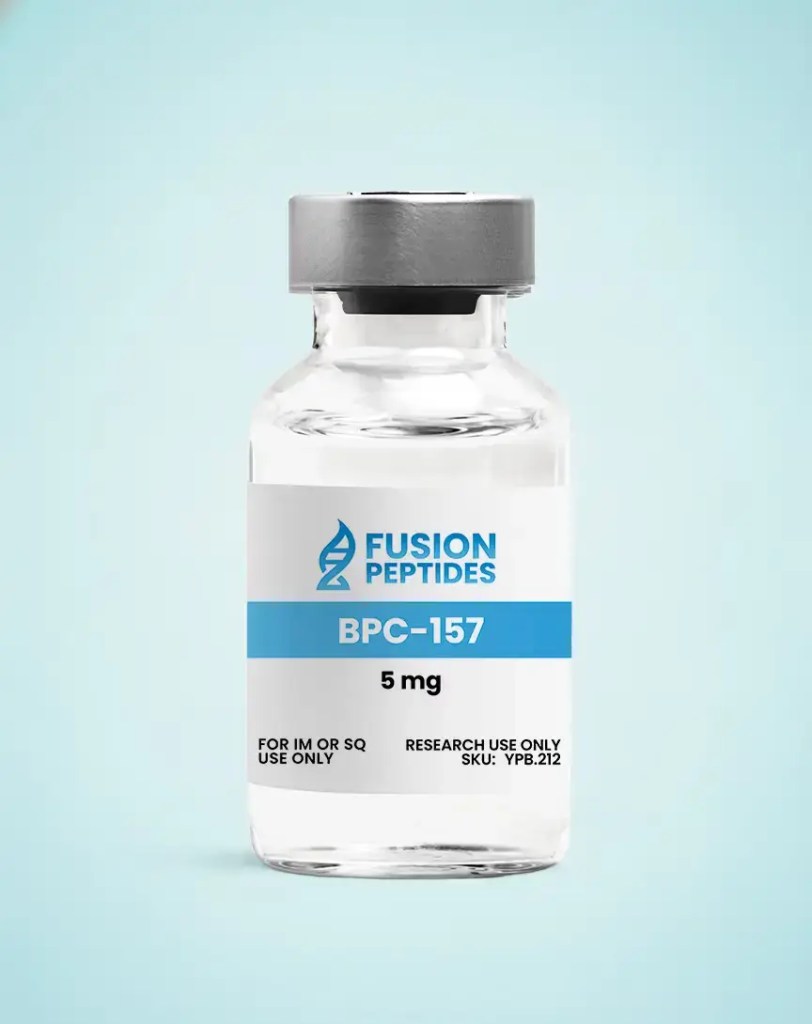
- Vial Size: 5 mg (5,000 mcg)
- Reconstitution: 3.0 mL Bacteriostatic Water (0.9% Benzyl Alcohol)
- Concentration: ~1.67 mg/mL (~16.7 mcg per U-100 Syringe Unit)
- Administration Route: Subcutaneous Injection
- Frequency: Once daily
- Protocol Length: 8 to 12 weeks (Optionally extended to 16 weeks based on recovery parameters)
Dosing & Reconstitution Chart
Phase
Daily Dose
Syringe Units (U-100 / 1mL Syringe)
Reconstitution & Volume Note:
Reconstituting a 5 mg vial with 3.0 mL of bacteriostatic water creates a concentration of 1.67 mg/mL. This dilution allows for accurate unit measuring on standard U-100 insulin syringes (12 to 36 units). At a target dose of 600 mcg/day, one 5 mg vial lasts approximately 8.3 days.
Protocol Supply Calculations
For an 8 to 16-week once-daily subcutaneous protocol with gradual titration:
- BPC-157 5 mg Vials: 6 vials for 8 weeks (25.2 mg used); 9 vials for 12 weeks (42 mg used); 12 vials for 16 weeks (58.8 mg used).
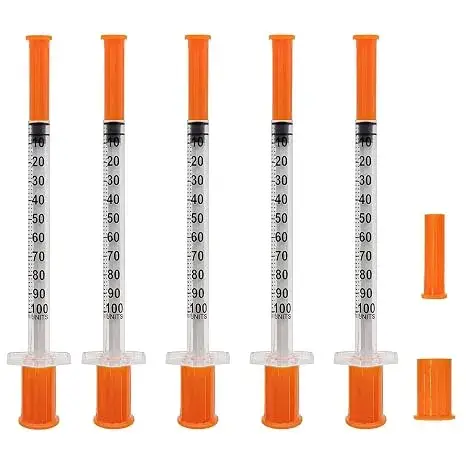
- Insulin Syringes (U-100, 1 mL): 56 syringes for 8 weeks; 84 syringes for 12 weeks; 112 syringes for 16 weeks (1 per day).
- Bacteriostatic Water: 2 × 10 mL bottles for 8 weeks (18 mL used); 3 × 10 mL bottles for 12 weeks (27 mL used); 4 × 10 mL bottles for 16 weeks (36 mL used).
- Alcohol Swabs: 112 swabs for 8 weeks; 168 swabs for 12 weeks; 224 swabs for 16 weeks (2 per day: 1 for vial stopper, 1 for injection site).
Reconstitution Steps
- Sanitize Equipment
Allow the lyophilized vial to reach room temperature. Swab the rubber stoppers of both the bacteriostatic water bottle and the BPC-157 vial with fresh alcohol wipes. Allow to air-dry completely. - Draw Diluent
Using a sterile syringe, draw up exactly 3.0 mL of bacteriostatic water. - Add Liquid Slowly
Insert the needle into the BPC-157 vial at an angle. Direct the water slowly down the inner glass wall to prevent spraying directly onto the powder cake, minimizing foaming. - Dissolve Content
Gently roll or swirl the vial between your palms until the powder fully dissolves into a clear, colorless liquid. Do not shake vigorously. - Label and Refrigerate
Mark the vial with the preparation date and concentration (1.67 mg/mL). Refrigerate immediately at 2–8°C (35.6–46.4°F), protected from direct light.
Storage & Stability
- Lyophilized (Unmixed Powder): Store long-term frozen at −20°C (−4°F) in a dark, dry place. Keep protected from moisture.
- Reconstituted Solution: Store in the refrigerator at 2–8°C (35.6–46.4°F) immediately after mixing. Keep protected from UV light and minimize temperature fluctuations. Avoid repeated freeze-thaw cycles.
- Inspection: Before drawing each dose, check that the solution remains clear and colorless. Discard if any cloudiness or particulates form.
Subcutaneous Injection Technique
- Administration Site: Inject subcutaneously into areas with standard adipose cover, such as the abdomen (at least 2 inches away from the navel), outer upper thighs, or upper arms.
- Technique: Clean the injection site with an alcohol swab and allow to air-dry. Pinch a fold of skin, insert the U-100 needle at a 45° to 90° angle, and depress the plunger steadily over 5–10 seconds. Wait a few seconds before withdrawing the needle.
- Site Rotation: Alternate injection sites daily across different quadrants to prevent localized soreness or lipohypertrophy.
- Disposal: Dispose of used single-use syringes immediately into a dedicated, puncture-proof sharps container.
Technical & Observational Notes
- Tolerance & Titration: Starting at 200 mcg daily and titrating upward every 2 weeks ensures optimal individual monitoring and minimizes minor reactions.
- Injection-Site Reactions: Mild, localized redness or itching may occasionally occur at the injection site, which typically resolves quickly.
- Systemic vs. Localized Route: While some research protocols administer subcutaneous injections near the site of injury, systemic subcutaneous administration (e.g., in the abdomen) distributes the compound effectively via systemic circulation.
Regulatory Compliance Disclaimer
IMPORTANT NOTICE: This material is strictly intended for educational and research purposes. BPC-157 is an investigational compound and is not approved for human consumption, diagnosis, or self-treatment. This information does not constitute medical advice. Always consult a qualified healthcare professional before undertaking any therapeutic or experimental supplementation protocol.
View Supplier

References
- Journal of Pharmacological Sciences
— Klicek R et al. Investigation of BPC-157–mediated colocutaneous fistula healing through nitric oxide system modulation in a rat model.
- Pharmaceuticals (MDPI)
- Current Pharmaceutical Design (PMC)
- Life Sciences
- HSS Journal (PubMed)
- CDC
- Subcutaneous Drug Injection Review (PMC)
Pharmacologic Principles and Clinical Considerations of Subcutaneous Drug Administration
- WHO (NCBI Bookshelf)
- Johns Hopkins Arthritis Center