
Sermorelin 10 mg Dosage Protocol
Table of Contents
What is Sermorelin?
Sermorelin is a synthetic 29-amino-acid peptide analogue of endogenous Growth Hormone-Releasing Hormone (GHRH). It represents the shortest fully functional fragment of native GHRH (which consists of 44 amino acids) capable of binding to and activating GHRH receptors on somatotroph cells in the anterior pituitary gland.
By mimicking the action of naturally occurring GHRH, Sermorelin stimulates the production and secretion of growth hormone (GH) in a pulsatile manner. Unlike exogenous growth hormone therapy, Sermorelin preserves the body’s physiological negative feedback loops governed by somatostatin and Insulin-like Growth Factor 1 (IGF-1). This natural regulation helps mitigate the risk of excessive GH or IGF-1 spikes.
Sermorelin requires an actively functional pituitary gland to exert its effects and is primarily utilized in experimental protocols evaluating age-related endocrine decline, physiological GH secretion, and pediatric growth hormone deficiencies.
Potential Areas of Research
- Pulsatile GH Stimulation: Investigated for its capacity to trigger natural, rhythmic growth hormone pulses rather than static, elevated baselines.
- Pituitary Axis Evaluation: Utilized to assess pituitary function and monitor responsive feedback mechanisms via liver-derived IGF-1 pathways.
- Body Composition & Tissue Repair: Profiled in clinical models exploring improvements in lean body mass, cellular repair mechanisms, and accelerated lipolysis (fat loss).
- Sleep Architecture Modulation: Researched for its secondary effects on optimizing slow-wave sleep cycles when synchronized with natural nocturnal secretion peaks.

Sermorelin 10 mg Dosage Protocol
- Vial Size: 10 mg
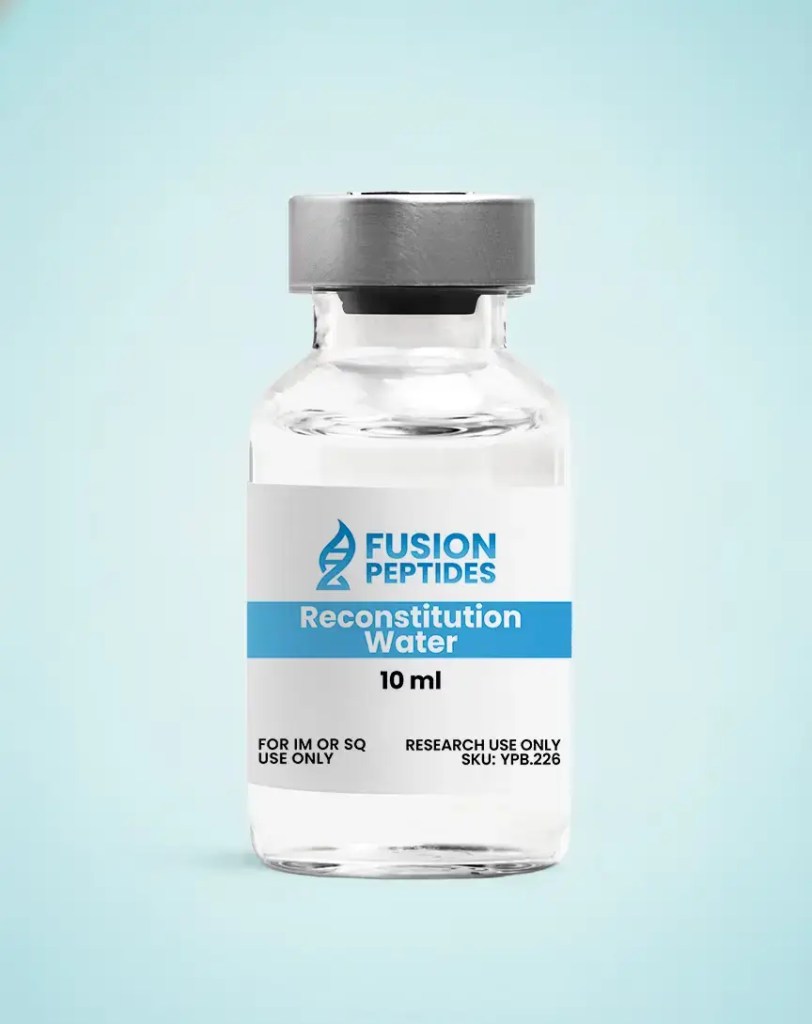
- Reconstitution: 3.0 mL Bacteriostatic Water
- Concentration: ~3.33 mg/mL (3,333 mcg/mL or ~33.3 mcg per standard Syringe Unit)
- Administration: Subcutaneous Injection
- Frequency: Once daily at bedtime (to align with the body’s natural nocturnal GH release)
Dosage Chart
Phase
Daily Dose
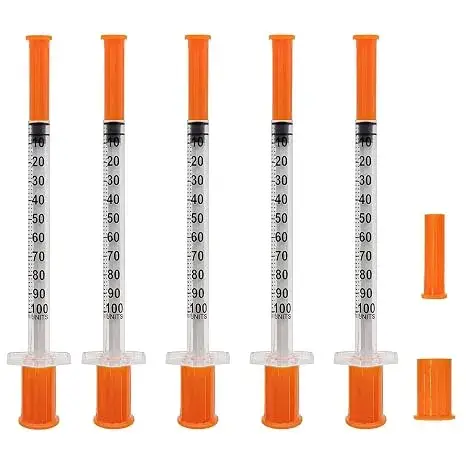
Syringe Units (100-Unit / 1mL Syringe)
Protocol Note: For low-dose administrations (such as Weeks 1–4 where the volume is 10 units or less), utilizing a 30-unit (0.3 mL) or 50-unit (0.5 mL) insulin syringe will significantly improve measurement legibility and dosing precision.
Reconstitution
- Allow the lyophilized 10 mg vial to slowly adjust to room temperature for approximately 30 minutes before mixing to facilitate smoother dissolution.
- Clean the rubber vial stopper with an alcohol swab and let it dry completely.
- Using a sterile syringe, draw up exactly 3.0 mL of sterile bacteriostatic water.
- Insert the needle and slowly inject the diluent down the inner glass wall of the vial. Do not spray liquid directly onto the lyophilized powder cake.
- Gently swirl or roll the vial between your hands until the powder is fully dissolved. Do not shake vigorously, as this can break down the delicate peptide structure.
- Inspect the solution before use; it must be completely transparent and colorless. Discard if any cloudiness or floating particulates are observed.
Storage
- Before reconstitution: Store the dry lyophilized powder refrigerated at 2–8°C (36–46 °F) in dry, dark conditions protected from light exposure.
- After reconstitution: Store the mixed solution constantly refrigerated at 2–8°C (36–46 °F).
- Important: Do not freeze the peptide solution once it has been mixed with bacteriostatic water. For optimal potency and sterility, the reconstituted solution should be utilized within 10 to 14 days.
Injection & Handling Technique
To maintain strict aseptic handling and ensure precise research metrics, implement standard subcutaneous protocols:
- Site Selection: Target areas containing a healthy subcutaneous fat layer, such as the abdomen (at least 2 inches away from the navel), outer thighs, or the upper outer arm.
- Site Rotation: Maintain a structured rotation schedule, placing consecutive injections at least 1 to 2 inches apart to prevent localized tissue irritation or lipoatrophy.
- Administration: Pinch a fold of clean skin and insert the needle at a 45 to 90-degree angle depending on needle length. Depress the plunger steadily over a few seconds, wait 1 to 2 seconds to prevent fluid backflow, and withdraw the needle at the same angle. Apply gentle pressure with a clean cotton ball; do not rub or massage the injection site.
- Disposal: Place the used syringe and needle immediately into a puncture-proof sharps container. Never attempt to recap an exposed needle.
Technical Research Note
Regulatory Compliance Disclaimer
IMPORTANT NOTICE: This product is engineered and distributed exclusively for in-vitro laboratory testing and scientific research applications. It is strictly NOT a medicine, drug, or dietary supplement and is not intended for human consumption or veterinary use. This compound has not been evaluated or approved by the MHRA, FDA, or EMA. Any use outside of legitimate, controlled laboratory environments is strictly prohibited. The purchaser assumes all liability for the safe handling and legal compliance of this material.
View Supplier

References
- PubMed
- RxList
- Mayo Clinic
- PubMed
- Johns Hopkins Arthritis Center
- CDC