
CJC-1295 With DAC 5 mg Dosage Protocol
Table of Contents
What is CJC-1295 With DAC?
CJC-1295 with DAC (Drug Affinity Complex) is a long-acting synthetic peptide analogue of endogenous Growth Hormone-Releasing Hormone (GHRH). It is a modified 29-amino-acid sequence that incorporates a specific affinity complex capable of binding covalently and reversibly to circulating serum albumin post-administration.
While native GHRH and non-DAC alternatives (such as Modified GRF 1-29) possess a short therapeutic window due to rapid enzymatic clearing within minutes, the DAC modification extends the peptide’s half-life to approximately 6 to 8 days. By binding to GHRH receptors on pituitary somatotrophs, it promotes continuous, dose-dependent transcription and secretion of endogenous growth hormone (GH), which subsequently elevates systemic levels of Insulin-like Growth Factor 1 (IGF-1).
Importantly, clinical evaluations indicate that the baseline pulsatile release profile of growth hormone remains intact during sustained CJC-1295 DAC exposure. CJC-1295 with DAC remains an experimental compound and is supplied strictly as a research material for in-vitro laboratory testing and chronic endocrine axis evaluations.
Potential Areas of Research
- Extended Half-Life Kinetics: Studied heavily to map the chemical efficacy of the Drug Affinity Complex in evading rapid enzymatic breakdown.
- Sustained GH/IGF-1 Elevation: Evaluated in long-term models for its capacity to steadily enhance systemic growth hormone and liver-derived IGF-1 expression over multiple days.
- Anabolic Mass & Tissue Modeling: Profiled in cellular assays for downstream improvements in nitrogen retention, skeletal muscle protein synthesis, and visceral fat reduction.
- Preservation of Pulsatility: Investigated to analyze how the anterior pituitary gland manages normal physiological negative feedback breaks during continuous GHRH receptor stimulation.

CJC-1295 With DAC 5 mg Dosage Protocol
- Vial Size: 5 mg
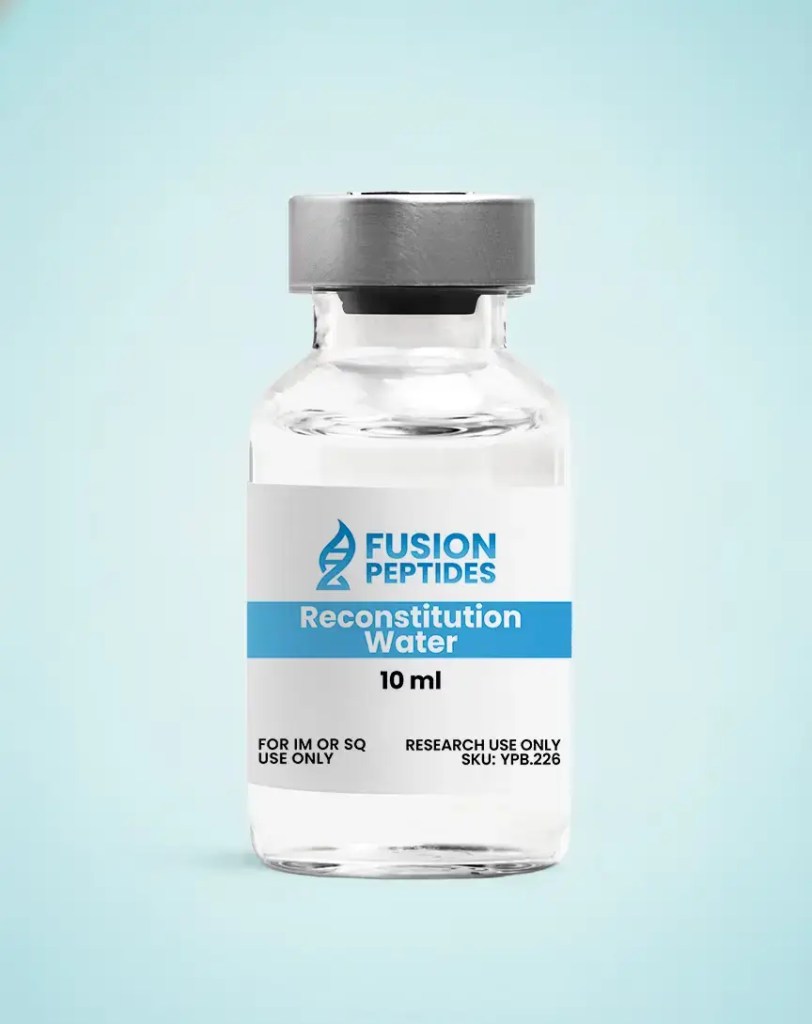
- Reconstitution: 2.0 mL Bacteriostatic Water
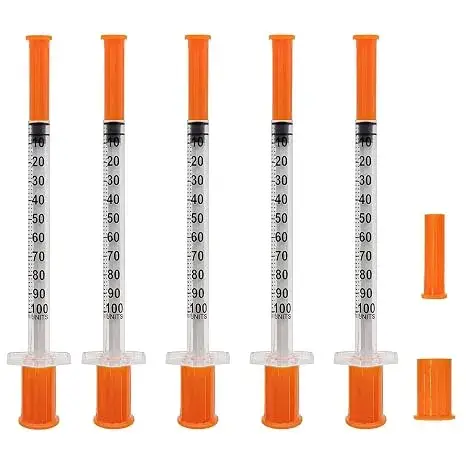
- Concentration: 2.5 mg/mL (2,500 mcg/mL or 25 mcg per Syringe Unit)
- Administration: Subcutaneous Injection
- Frequency: Twice weekly (e.g., evenly spaced 3 to 4 days apart, such as Monday/Thursday or Tuesday/Friday)
Dosage Chart
Phase
Per-Injection Dose
Syringe Units (100-Unit / 1mL Syringe)
Protocol Note: Because of the extended pharmacokinetic profile of the DAC moiety, single-dose timing relative to food intake is far less restrictive compared to short-acting alternatives. However, maintaining consistent, twice-weekly scheduling intervals is critical for stable serum equilibrium.
Reconstitution
- Allow the lyophilized 5 mg vial to slowly reach room temperature before mixing to prevent internal moisture condensation.
- Gently draw 2.0 mL of sterile bacteriostatic water and slowly introduce it into the vial.
- Aim the needle directly at the inner glass wall of the vial, letting the diluent trickle down slowly to eliminate foaming.
- Softly swirl or roll the vial between your palms until the crystalline cake completely dissolves. Do not shake the vial.
- Visually check the solution post-mix; it must be completely transparent and clear. Discard immediately if cloudiness or precipitate forms.
Storage
- Before reconstitution: Store frozen at −20°C (−4°F) for optimal long-term molecular stability. Keep in a dry, dark space protected from UV exposure.
- After reconstitution: Store refrigerated at 2–8°C (35.6–46.4°F) and use within 2 to 4 weeks.
- Important: Do not freeze the peptide after it has been mixed into liquid form. Avoid repeated freeze-thaw cycles and violent shaking, which can permanently break down the delicate 29-amino-acid chain.
Injection & Handling Technique
To maintain strict experimental control and reduce localized tissue trauma, utilize standard subcutaneous protocols:
- Site Selection: Inject subcutaneously into the fatty layer of the abdomen (maintaining a 2-inch radius away from the navel), outer thighs, or the back of the upper arms.
- Systematic Site Rotation: Systematically alternate the targeted injection coordinates daily to mitigate local skin irritation, bruising, or the development of lipohypertrophy (fibrotic fat deposits).
- Administration Speed: Depress the syringe plunger slowly and steadily over 5 seconds. Hold the needle in place for an additional 2 to 3 seconds before withdrawing to ensure complete delivery without backflow tracking. Do not massage or rub the skin area after needle removal.
Technical Research Note
Regulatory Compliance Disclaimer
IMPORTANT NOTICE: This product is engineered and distributed exclusively for in-vitro laboratory testing and scientific research applications. It is strictly NOT a medicine, drug, or dietary supplement and is not intended for human consumption or veterinary use. This compound has not been evaluated or approved by the MHRA, FDA, or EMA. Any use outside of legitimate, controlled laboratory environments is strictly prohibited. The purchaser assumes all liability for the safe handling and legal compliance of this material.
View Supplier

References
- J Clin Endocrinol Metab (2006)
- StatPearls (NCBI Bookshelf)
- Johns Hopkins Arthritis Center
- StatPearls (NCBI Bookshelf)