
Glutathione 600 MG Dosage Protocol
Table of Contents
What is Glutathione?
Glutathione is a master antioxidant tripeptide ($\gamma$-L-glutamyl-L-cysteinyl-glycine) present in virtually every cell at concentrations of 1–10 mM. As the body’s primary intracellular thiol-based redox buffer, it plays a central role in neutralizing reactive oxygen species (ROS), supporting Phase II liver detoxification pathways, and facilitating the excretion of xenobiotics and heavy metals.
Maintaining optimal reduced glutathione (GSH) levels supports liver function, immune cell activity (such as natural killer cells and T-cells), mitochondrial protection, and overall cellular homeostasis.
Primary Research Areas
Antioxidant Defense & Redox Balance:
- Functions as the primary electron donor to neutralize free radicals and protect against oxidative stress-induced cellular damage.
- Hepatic Detoxification: Supports liver function and Phase II detox pathways to clear metabolic waste, alcohol byproducts, and environmental toxins.
- Immune Modulation: Enhances immune response pathways, including natural killer (NK) cell and T-lymphocyte activity.
- Dermatological Health: Evaluated in research for antimelanogenic effects, influence on melanin index, and skin brightness.
Subcutaneous Reconstitution & Calculation Guide
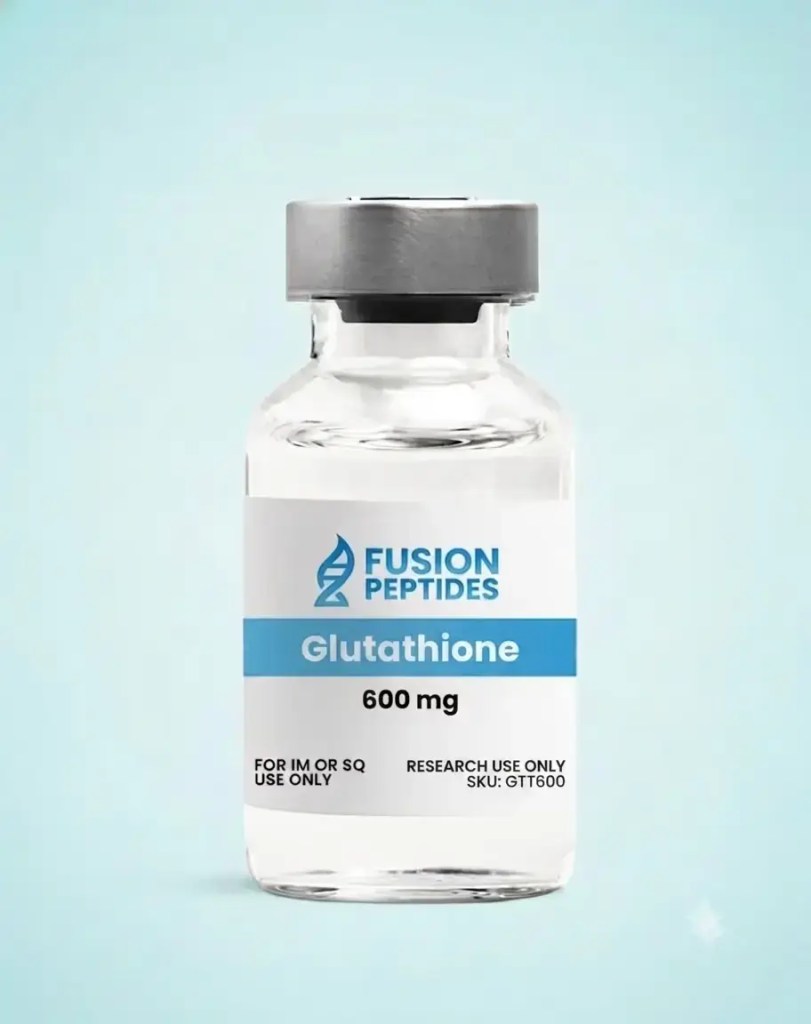
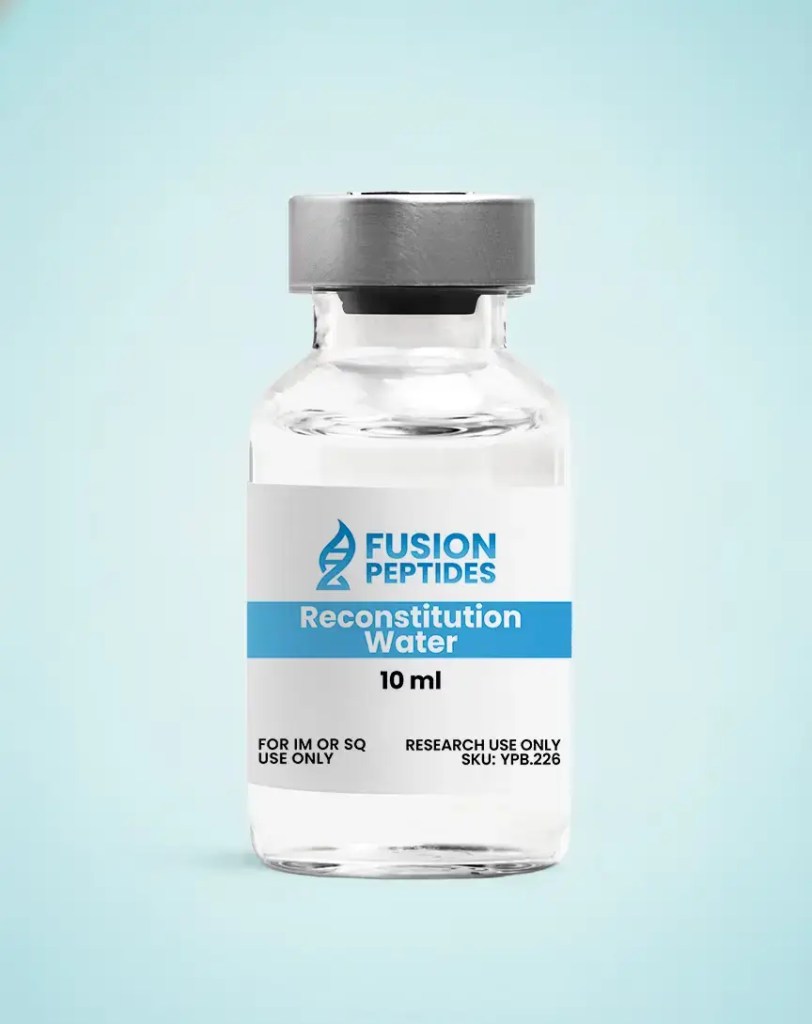
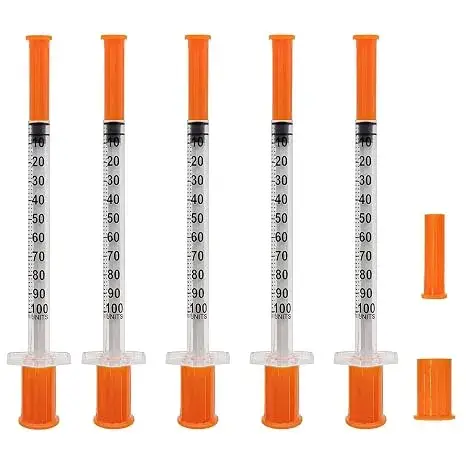
Educational protocols evaluate Glutathione via subcutaneous injection. A 600 mg vial reconstituted with 2.0 mL of bacteriostatic water yields a concentrated solution of 300 mg/mL, allowing for clear measurements on standard U-100 insulin syringes.
Standard Syringe Calibration: At 300 mg/mL concentration, 1 unit = 0.01 mL = 3 mg on a standard U-100 insulin syringe.
Dosing & Volumetric Breakdown
Target Daily Dose
Volume (mL)
Syringe Units (U-100)
Note: Frequency is typically once daily subcutaneously, or split into every-other-day dosing based on protocol goals. Some maintenance protocols utilize 200 mg 1–2 times weekly.
Reconstitution Protocol
- Aseptic Preparation
Sanitize the rubber stopper of the Glutathione 600 mg vial and the bacteriostatic water vial with 70% isopropyl alcohol wipes. Allow both to air-dry completely. - Draw Bacteriostatic Water
Using a sterile syringe, draw 2.0 mL of bacteriostatic water. - Reconstitution Step
Insert the needle into the Glutathione vial and slowly direct the liquid down the inner glass wall to prevent excessive foaming. - Dissolving
Gently swirl and roll the vial between your palms until the lyophilizate is fully dissolved into a clear solution. Do not shake vigorously. - Storage & Labeling
Label the vial with the reconstitution date and target concentration (300 mg/mL). Refrigerate immediately at 2°C to 8°C (35.6°F to 46.4°F), protected from light.
Research Protocol & Titration Overview
Protocol Phase
Timeframe
Daily Dose
- Cycle Length: Typically 4 to 8 weeks, followed by an optional 2 to 4 week rest period.
- Injection Site Technique: Inject subcutaneously at 45–90° into pinched tissue (abdomen, thighs, or upper arms). Rotate sites daily to prevent localized irritation or lipohypertrophy.
Storage & Stability Guidelines
- Unreconstituted Lyophilized Powder: Store frozen at −20°C (−4°F) in dry, dark conditions. Minimize ambient moisture exposure.
- Reconstituted Solution: Store strictly refrigerated at 2°C to 8°C (35.6°F to 46.4°F). Avoid repeated freeze–thaw cycles.
- Stability Window: Reconstituted Glutathione is relatively unstable in liquid form and should be used within 2 to 3 weeks for optimal potency.
Regulatory Compliance & Handling Disclaimer
IMPORTANT NOTICE: This content is strictly for educational, scientific, and laboratory research purposes. Glutathione is an investigational compound provided solely for Research Use Only (RUO). It is not medical advice and is not intended for clinical diagnosis, treatment, or human consumption. All handling must conform to standard laboratory safety procedures.
View Supplier

References
- PubMed
- PubMed
- PMC
- PubMed
- PMC
- PubMed
- PMC
- CDC
- CDC (Subcut Injection PDF)
- NCBI Bookshelf