
NAD+ 500 mg Dosage Protocol
Table of Contents
What is NAD+?
NAD+ (Nicotinamide Adenine Dinucleotide) is a vital cellular coenzyme essential for cellular energy metabolism, advanced DNA repair pathways, and mitochondrial function. As metabolic stress and biological aging occur, systemic NAD+ pools naturally decline, leading to reduced mitochondrial efficiency. In preclinical and clinical research settings, exogenous NAD+ supplementation is extensively studied for its ability to replenish these cellular coenzymes, supporting systemic cellular resilience and longevity research.
Potential Areas of Research
- Mitochondrial Biogenesis: Investigated for its core role in driving cellular energy production via glycolysis and the TCA cycle.
- DNA & Cellular Repair: Studied in relation to the activation of sirtuins and poly(ADP-ribose) polymerases (PARPs) involved in cellular maintenance.
- Cognitive & Metabolic Support: Evaluated in biochemical literature for its potential to improve neuro-resilience and metabolic homeostasis.
- Adipose Architecture: Documented in dynamic tissue models for its ability to enhance fat oxidation and naturally regulate energy balance.

NAD+ 500 mg Dosage Protocol
- Vial Size: 500 mg
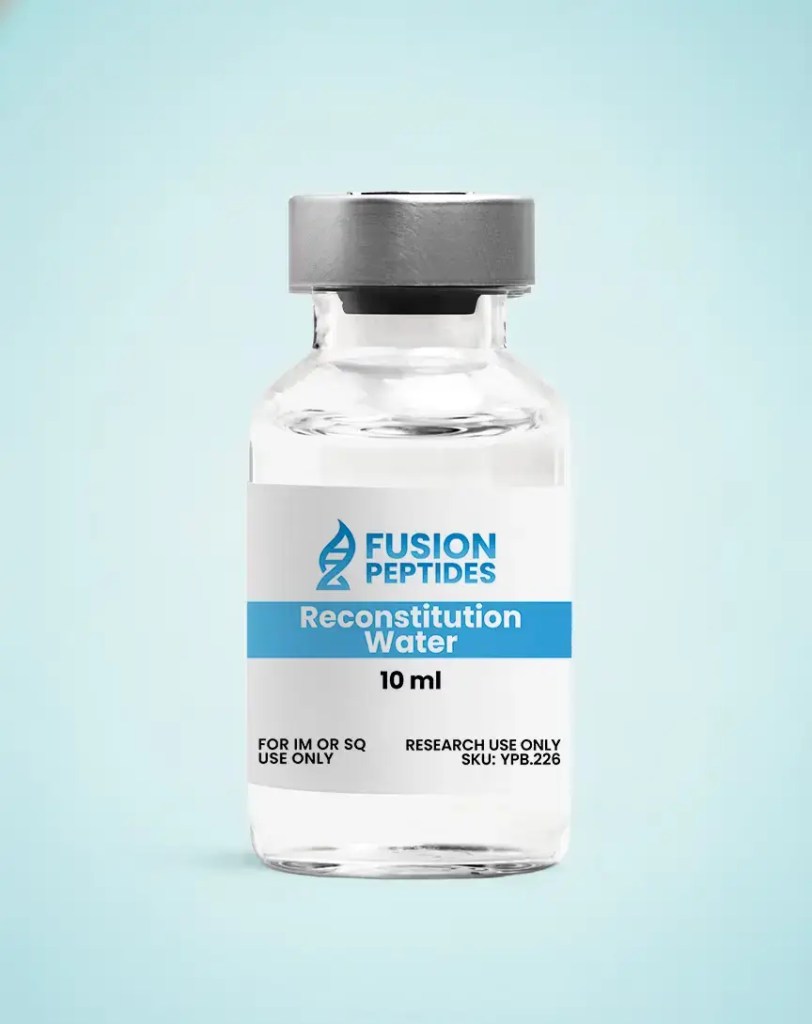
- Reconstitution: 3.0 mL Bacteriostatic Water
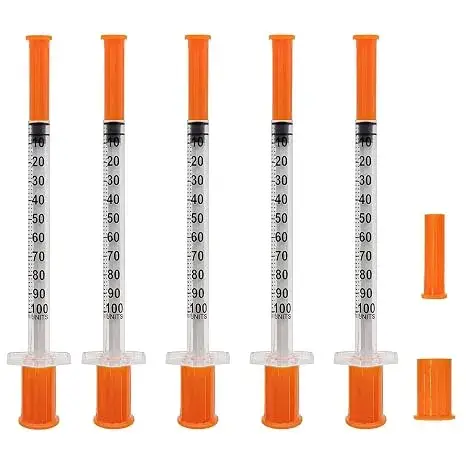
- Concentration: 166.7 mg/mL (1.67 mg per Syringe Unit)
- Administration: Subcutaneous Injection
- Frequency: Once Daily
Dosage Chart
Weeks
Daily Dose
Syringe Units (100-Unit / 1mL Syringe)
Week 1
50 mg
30 Units
Week 2
75 mg
45 Units
Weeks 3–16
100 mg
60 Units
Reconstitution
- Allow the lyophilized vial to reach room temperature prior to mixing to minimize condensation.
- Gently introduce 3.0 mL of bacteriostatic water (0.9% benzyl alcohol) into the vial.
- Aim the needle directly at the inner glass wall, allowing the liquid to trickle down slowly to prevent foaming.
- Gently swirl or roll the vial between your palms until the crystalline solid completely dissolves. Do not shake.
- Inspect the solution post-mix; it must be completely clear and colorless. Discard if any cloudiness or precipitate occurs.
Storage
- Before reconstitution: Store frozen at −20°C (−4°F) or below. Protect from light and avoid ambient moisture exposure, as the raw powder is highly hygroscopic.
- After reconstitution: Store refrigerated at 2–8°C (35.6–46.4°F). Protect entirely from UV light exposure.
- Important: Do not re-freeze the liquid solution, as repeated freeze-thaw cycles will degrade the coenzyme’s molecular integrity. Use within 14 days for optimal stability.
Injection & Handling Technique
To achieve highly accurate experimental data and maintain tissue health across research models, observe strict subcutaneous administration protocols:
- Site Selection: Administer subcutaneously into areas containing an adequate fat layer, such as the abdomen (at least 2 inches away from the navel), outer thighs, or the back of the upper arms.
- Systematic Site Rotation: Always alternate left/right sides and quadrants daily to reduce localized skin sensitivity and prevent lipohypertrophy.
- Administration Speed: Inject the solution slowly over 5 to 10 seconds. Injecting too rapidly increases temporary tissue irritation and localized soreness.
Technical Research Note
While high-dose intravenous (IV) infusions (500 mg to 1,000 mg) require strict clinical environments and specialized equipment, lower-dose subcutaneous self-injections are emerging in research frameworks as a convenient maintenance alternative. Titration protocols starting at a conservative 50 mg baseline are highly recommended, as rapid dose escalation can induce transient side effects such as insomnia, mild anxiety, temporary headaches, or metabolic byproduct accumulation. Doses exceeding 200 mg to 300 mg per day should remain limited to supervised medical research models.
Regulatory Compliance Disclaimer
IMPORTANT NOTICE: This product is engineered and distributed exclusively for in-vitro laboratory testing and scientific research applications. It is strictly NOT a medicine, drug, or dietary supplement and is not intended for human consumption or veterinary use. This compound has not been evaluated or approved by the MHRA, FDA, or EMA. Any use outside of legitimate, controlled laboratory environments is strictly prohibited. The purchaser assumes all liability for the safe handling and legal compliance of this material.
View Supplier

References
- Pharmaceuticals (Basel)
Clinical Insights into NAD+-Targeted Therapies: Metabolic Mechanisms and Therapeutic Applications
- Current Psychiatry Research and Reviews
— Pilot Study of NAD+ and Enkephalinase Infusion Therapy for Substance Use Disorder: Outcomes from 50 Cases
- Fagron Academy (US)
Clinical Review of NAD+ Administration: Dosing Strategies, Delivery Methods, and Practice-Based Case Insights
- Jinfiniti (NAD+ Dosage Chart)
— NAD+ Injection Dosing Guide: Administration Schedule, Titration Protocols, and Safety Considerations
- Olympia Pharmacy
— Nicotinamide Adenine Dinucleotide (NAD+) Injection: Compounding Information and Clinical Dosing Guidance
- Empower Pharmacy
— Lyophilized NAD+ Injection: Reconstitution Procedures and Compounding Specifications
- Fagron Academy (NAD+ Review)
Subcutaneous and Intramuscular NAD+ Administration: Clinical Approaches to Maintenance Therapy
- Jinfiniti (Dosage Chart)
— Human Case Reports on NAD+ Therapy: Cognitive and Metabolic Outcomes with 100–300 mg Daily Dosing
- Fagron Academy
NAD+ Dosing Considerations: Higher-Dose Regimens Above 200–300 mg/Day for Clinically Supervised Use
- PMC (Subcutaneous Drug Injection Review)
— Review of Injection-Site Pain and Volume Considerations for Subcutaneous Administration