
GHK-Cu 100 mg Dosage Protocol
Table of Contents
What is GHK-Cu?
GHK-Cu (glycyl-L-histidyl-L-lysine copper complex) is a naturally occurring tripeptide-copper complex found in human plasma, saliva, and urine. It plays a pivotal role in extracellular matrix (ECM) remodeling, collagen and elastin synthesis, tissue repair, and antioxidant defense mechanisms.
While human clinical research has predominantly focused on topical creams, serums, and wound-care gels (such as diabetic ulcer healing and post-laser skin resurfacing), subcutaneous research protocols are widely utilized in practice conventions for systemic tissue regeneration, skin quality improvement, and cellular repair signaling.
Endogenous levels of GHK-Cu decline significantly with age—dropping by over 60% by age 60—making exogenous supplementation a focal point in anti-aging, dermatology, and regenerative research.
Potential Areas of Research
- Collagen & Elastin Synthesis: Extensively studied for stimulating fibroblast activity and upregulating collagen, elastin, and glycosaminoglycan production.
- Extracellular Matrix Remodeling: Researched for its ability to regulate matrix metalloproteinases (MMPs) and their inhibitors, aiding proper wound healing and tissue repair.
- Antioxidant & Anti-Inflammatory Pathways: Profiled for quenching free radicals, lowering pro-inflammatory cytokines, and promoting tissue-protective gene expression.
- Dermatological & Hair Follicle Health: Examined in topical and systemic literature for improving skin density, elasticity, clarity, and hair follicle support.

GHK-Cu 100 mg Dosage Protocols
- Vial Size: 100 mg (100,000 mcg)
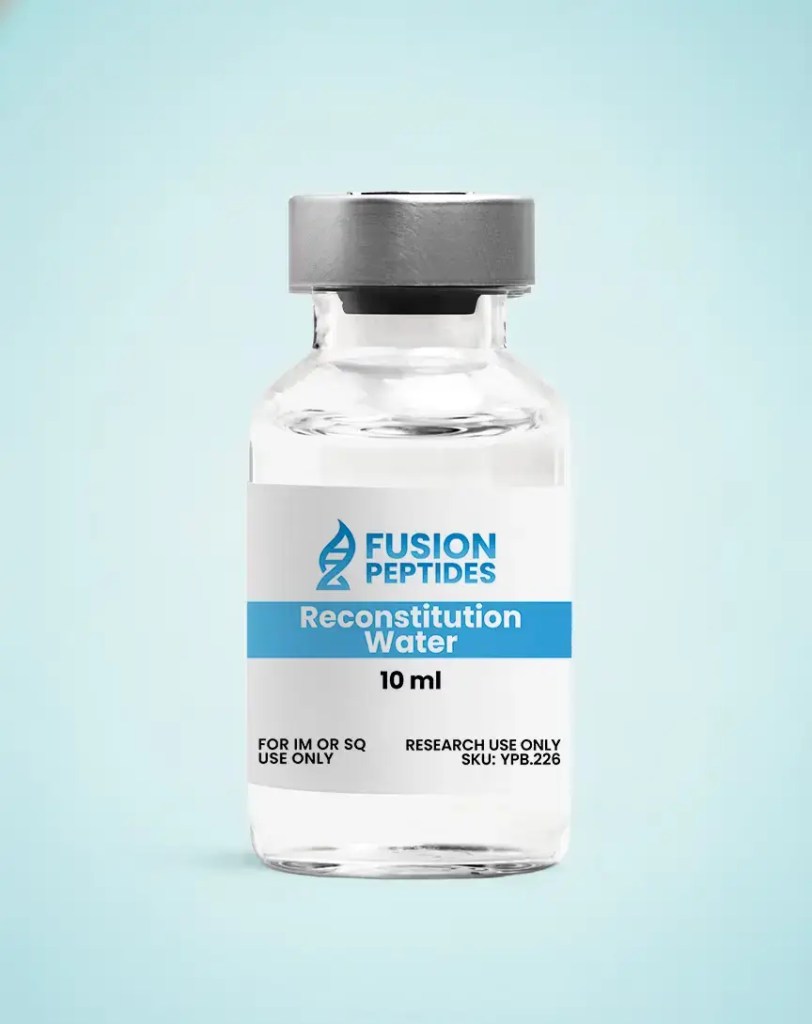
- Reconstitution: 3.0 mL Sterile or Bacteriostatic Water
- Concentration: 33.33 mg/mL (~333.3 mcg per U-100 Syringe Unit)
- Administration Route: Subcutaneous Injection
Protocol Options & Dosage Charts
Weeks
Daily Dose
Syringe Units (U-100 / 1mL Syringe)
Vial Lifespan & Calculations:
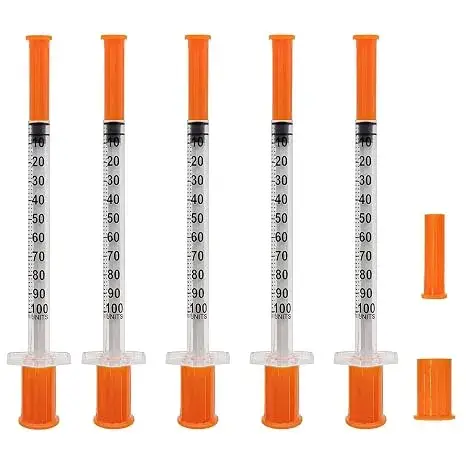
Reconstituting a 1000 mg (100 mg) vial with 3.0 mL yields a concentration of 33.33 mg/mL. Because unit measurements at this concentration are very small (3 to 6 units), using standard U-100 insulin syringes with clear half-unit or single-unit hash marks is recommended for exact dosing. One 100 mg vial lasts approximately 8 to 12 weeks depending on the selected schedule.
Protocol Supply Calculations
Option A (5 Days / Week)
- GHK-Cu 100 mg Vials: 1 vial for 8 weeks (~50 mg used); 1 vial for 12 weeks (~90 mg used); 2 vials for 16 weeks (~130 mg used).
- Insulin Syringes (U-100, 29–31G): 40 syringes for 8 weeks; 60 syringes for 12 weeks; 80 syringes for 16 weeks (5 per week).
- Bacteriostatic Water: 1 × 10 mL bottle (3.0 mL per vial reconstituted).
- Alcohol Swabs: 80 swabs for 8 weeks; 120 swabs for 12 weeks; 160 swabs for 16 weeks (2 per injection: 1 for vial stopper, 1 for skin site).
Option B (3 Days / Week)
- GHK-Cu 100 mg Vials: 1 vial covers up to 16 weeks (~96 mg used).
- Insulin Syringes (U-100, 29–31G): 24 syringes for 8 weeks; 36 syringes for 12 weeks; 48 syringes for 16 weeks (3 per week).
- Bacteriostatic Water: 1 × 10 mL bottle.
- Alcohol Swabs: 48 swabs for 8 weeks; 72 swabs for 12 weeks; 96 swabs for 16 weeks
Reconstitution Steps
- Sanitize Equipment
Clean the rubber stoppers of both the bacteriostatic water vial and the 100 mg GHK-Cu vial using fresh alcohol swabs. Allow to air-dry completely. - Draw Diluent
Using a sterile mixing syringe, draw up exactly 3.0 mL of bacteriostatic or sterile water. - Add Liquid Slowly
Insert the needle into the GHK-Cu vial at an angle, directing the liquid slowly down the glass wall of the vial. Avoid spraying directly onto the powder cake to prevent excessive foaming. - Gently Dissolve
Gently roll or swirl the vial between your hands until the powder completely dissolves into a clear, light-blue solution. Do not shake vigorously. - Label and Store
Label the vial with the preparation date and concentration (33.33 mg/mL). Refrigerate immediately at 2–8°C (35.6–46.4°F), protected from light exposure.
Storage & Handling
- Unreconstituted (Dry Powder): Store long-term in a freezer at −20°C (−4°F) or below, in a dark, dry environment.
- Reconstituted Solution: Store in a refrigerator at 2–8°C (35.6–46.4°F). Keep protected from UV light and minimize unnecessary temperature fluctuations or repeat freeze-thaw cycles.
- Inspection: Before each pull, inspect the liquid. Reconstituted GHK-Cu has a characteristic faint blue tint due to the copper complex. Discard if significant cloudiness, particulates, or unusual discoloration appears.
Technical Research Note
Administration & Injection Technique
- Route: Subcutaneous injection into healthy adipose tissue (e.g., lower abdomen at least 2 inches away from the navel, outer upper thigh, or back of the upper arm).
- Technique: Clean the site with an alcohol swab and allow to dry. Pinch a skin fold, insert a fine-gauge (29–31G) U-100 insulin syringe at a 45° to 90° angle, and depress the plunger steadily over 5–10 seconds.
- Site Rotation: Rotate injection sites regularly to avoid localized skin irritation or lipohypertrophy.
- Post-Injection Handling: Dispose of used single-use needles immediately into an approved, puncture-proof sharps container.
Technical Notes & Observational Context
- Localized Stinging / Soreness: Subcutaneous injections of copper peptides can occasionally cause minor localized post-injection stinging or tightness. Administering slowly and ensuring the solution reaches room temperature right before injection can help minimize discomfort.
- Syringe Precision: Because 1.0 mg is represented by only 3 U-100 units at a 33.33 mg/mL concentration, precise unit measurement is important.
Regulatory Compliance Disclaimer
IMPORTANT NOTICE: This content is intended exclusively for educational and research purposes. GHK-Cu is provided for laboratory research use only and is not approved for human consumption, diagnosis, or self-treatment. This material does not constitute medical advice. Always consult with a licensed healthcare professional regarding any medical or clinical protocols.
View Supplier

References
- Mulder GD, et al. Wound Repair and Regeneration.
- Miller TR, et al. Archives of Facial Plastic Surgery. 2006.
- Abdulghani AA, et al. 1998.
- Badenhorst T, et al. 2016.
- Maquart FX, et al. 2000.
- ClinicalTrials.gov. NCT07437586.
- U.S. Food and Drug Administration.
- U.S. Food and Drug Administration. 503A Categories Update.
- U.S. Food and Drug Administration. 510(k) K953853.