KLOW – GHK-Cu – 50mg / KPV – 10mg / BPC-157 – 10mg / TB500 – 10mg Dosage Protocol
Table of Contents
What is the KLOW Blend?
KLOW is an advanced 80 mg multi-peptide research formulation that expands upon classic tissue-repair blends (like GLOW) by integrating four complementary synthetic signaling molecules into a single lyophilized vial:
GHK-Cu (50 mg): A naturally occurring copper(II)-complexed tripeptide (glycine-histidine-lysine) vital for extracellular matrix (ECM) remodeling, skin rejuvenation, and gene expression regulation.
KPV (10 mg): A tripeptide fragment (Lys-Pro-Val) derived from the C-terminus of $\alpha$-MSH ($\alpha$-melanocyte-stimulating hormone), recognized for potent anti-inflammatory and mucosal/skin barrier protective properties.
BPC-157 (10 mg): A 15-amino acid pentadecapeptide modeled after a gastric protective protein, studied for tendon, ligament, muscle, and gut-barrier repair via growth factor upregulation.
TB-500 (10 mg): A synthetic 7-amino acid sequence (Ac-LKKTETQ) representing the active actin-binding domain of Thymosin $\beta_4$, essential for cellular migration and angiogenesis.

Primary Research Applications & Mechanisms
Tissue Regeneration & Repair: GHK-Cu, BPC-157, and TB-500 act synergistically to accelerate fibroblast proliferation, collagen type I & III synthesis, and tendon/ligament remodeling.
Inflammation Modulation & Immune Signaling: KPV directly inhibits pro-inflammatory NF-$\kappa$B activation and lowers key cytokine cascades (e.g., TNF-$\alpha$, IL-6), making the blend an effective tool for studying acute and chronic inflammatory tissue responses.
Cell Migration & Angiogenesis: TB-500 sequesters G-actin to promote cell motility toward lesion sites, while BPC-157 supports vascular endothelial growth factor (VEGF) signaling to rebuild localized microvascular networks.
Skin Health & Anti-Aging Models: GHK-Cu elevates glycosaminoglycan synthesis and skin elasticity, working alongside KPV to soothe localized dermal inflammation and enhance epithelial recovery.
Neuroprotection & Cellular Survival: BPC-157 and TB-500 are investigated for protecting central and peripheral neural tissue, mitigating oxidative stress, and supporting peripheral nerve regeneration.
Analytical Specifications & Quality Standards
- Total Active Content: 80 mg total peptide per vial
- Appearance: Distinct blue-to-purple lyophilized solid (due to the copper ion chelation in GHK-Cu)
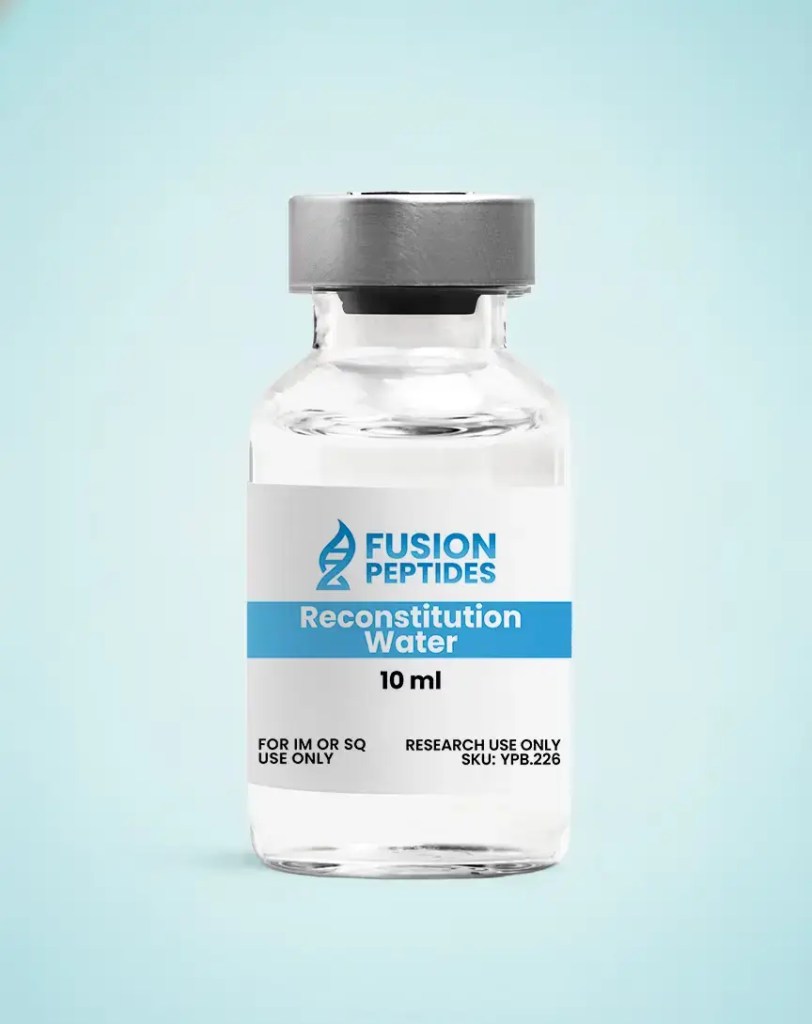
- Solubility: Highly soluble in sterile bacteriostatic water or standard physiological buffers
- Quality Verification: Manufactured in ISO-certified facilities with High-Performance Liquid Chromatography (HPLC) and Mass Spectrometry (MS) batch testing to confirm structural identity and purity (>98%)
Reconstitution Protocol (Laboratory Example)
Total Peptide Content per Vial: 80 mg (50 mg GHK-Cu + 10 mg KPV + 10 mg BPC-157 + 10 mg TB-500)
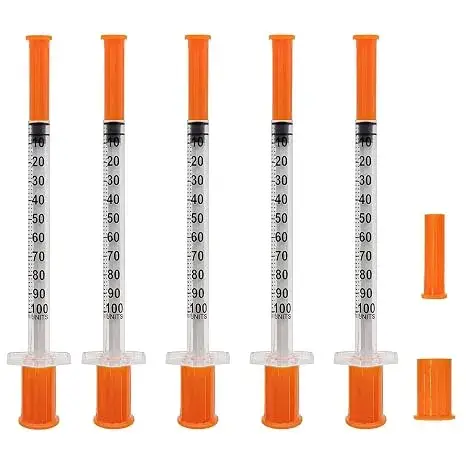
When reconstituted with 4.0 mL of Bacteriostatic Water (0.9% benzyl alcohol), each 0.1 mL (10 U-100 Syringe Units) delivers:
GHK-Cu: 1.25 mg (1,250 mcg)
KPV: 0.25 mg (250 mcg)
BPC-157: 0.25 mg (250 mcg)
TB-500: 0.25 mg (250 mcg)
Reconstitution Steps
- Preparation: Allow the lyophilized vial and diluent to reach room temperature. Swab both rubber stoppers with 70% isopropyl alcohol and allow them to air-dry completely.
- Diluent Entry: Draw 4.0 mL of bacteriostatic water using a sterile syringe. Incline the vial at a 45° angle and slow-drip the liquid down the inner glass wall. Avoid spraying directly onto the lyophilized cake.
- Dissolution: Gently roll or swirl the vial between your palms until the solid fully dissolves into a clear, blue-tinted solution. Do not shake vigorously, as physical shear forces can disrupt peptide molecular bonds.
- Refrigeration: Store in the refrigerator immediately following mixing.
Storage & Stability Guidelines
Unmixed Lyophilized Powder:
Short-Term (Transit): Stable at room temperature for brief periods (under 7–14 days).
Long-Term Storage: Store frozen at −20°C (−4°F) or below in a dry, dark, desiccated environment.
Reconstituted Solution:
Store strictly refrigerated at 2–8°C (36–46°F).
Stable for up to 30 days under refrigeration. For extended research timelines, aliquot the solution into individual single-use sterile vials and freeze at −20°C to prevent degradation from repeated freeze-thaw cycles.
Component Mechanism Matrix
Peptide Component
Class / Origin
Primary Research Target
Regulatory & Compliance Notice
FOR LABORATORY RESEARCH USE ONLY (RUO): The KLOW Blend is a specialized multi-peptide research chemical supplied strictly for licensed laboratory applications, in-vitro testing, and preclinical research models. It is not approved by regulatory authorities for human or veterinary consumption, medical diagnostic procedures, or therapeutic administration. All handling must strictly follow established biosafety protocols.