
BPC-157 10 mg Dosage Protocol
Table of Contents
What is BPC-157?
BPC-157 (Body Protection Compound-157) is a synthetic pentadecapeptide composed of 15 amino acids ($Gly-Glu-Pro-Pro-Pro-Gly-Lys-Pro-Ala-Asp-Asp-Ala-Gly-Leu-Val$). It is derived from a partial sequence of human gastric juice protein (BPC) known for its cytoprotective and tissue-regenerative properties.
BPC-157 acts as a pleiotropic tissue repair accelerator. It operates primarily by modulating nitric oxide (NO) synthesis pathways, upregulating Vascular Endothelial Growth Factor (VEGF) expression, and activating early growth response-1 (EGR-1) gene expression. These mechanisms promote rapid angiogenesis (the formation of new blood vessels) and structural collagen deposition at sites of injury.
Preclinical models demonstrate significant efficacy in accelerating the repair of damaged gastrointestinal mucosa, tendons, ligaments, skeletal muscle, and dermal tissue. Human data include completed Phase I safety trials and small orthopaedic case series, with BPC-157 remaining an investigational compound for laboratory research.
Potential Areas of
- Research
Angiogenesis & Blood Flow Modulation: Investigated for its capacity to accelerate new vessel growth into ischemic or damaged tissues without stimulating systemic tumors. - Tendon & Ligament Regeneration: Profiled in musculoskeletal models for promoting fibroblast proliferation and accelerating tendon-to-bone integration.
- Gastrointestinal Cytoprotection: Studied for its capacity to heal mucosal lining breakdown, colocutaneous fistulas, and inflammatory bowel lesions.
- Nitric Oxide Axis Balance: Examined for its ability to normalize NO system activity during toxic insults, hyper/hypotensive states, and systemic inflammation.

BPC-157 10 mg Dosage Protocol
- Vial Size: 10 mg (10,000 mcg)
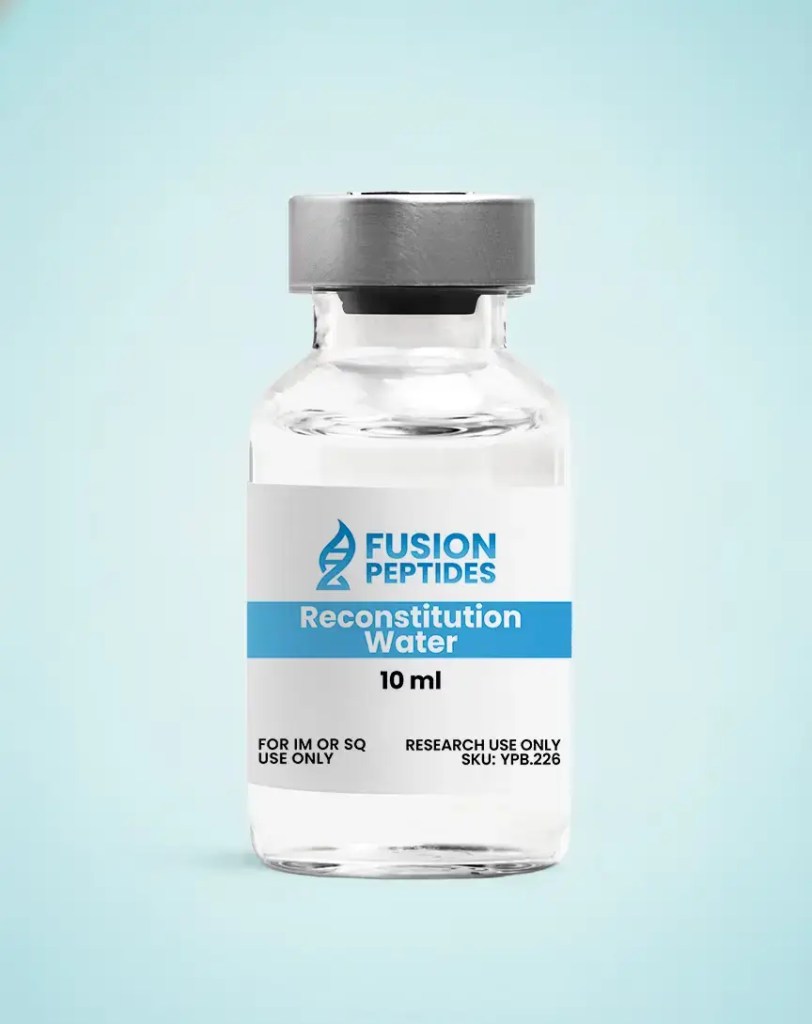
- Reconstitution: 3.0 mL Bacteriostatic Water
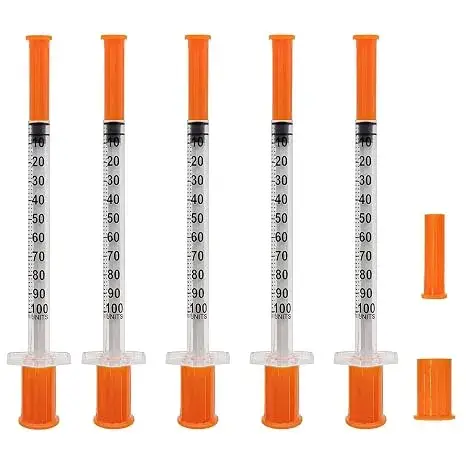
- Concentration: ~3.33 mg/mL (3,333 mcg/mL or ~33.3 mcg per U-100 Syringe Unit)
- Administration: Subcutaneous Injection
- Frequency: Once daily (titrated gradually over an 8–16 week protocol)
Gradual Titration Schedule
Phase
Daily Dose
Syringe Units (U-100 / 1mL Syringe)
Protocol Supply Calculations
Planning an extended research run requires calculating vial consumption, reconstituted diluent, and syringe counts ahead of time based on titration metrics:
- 8-Week Protocol (~25.2 mg required): ~3 Vials (10 mg each) | 56 Insulin Syringes | 1 × 10 mL Bacteriostatic Water | 112 Alcohol Swabs
- 12-Week Protocol (~42.0 mg required): ~5 Vials (10 mg each) | 84 Insulin Syringes | 2 × 10 mL Bacteriostatic Water | 168 Alcohol Swabs
- 16-Week Protocol (~58.8 mg required): ~6 Vials (10 mg each) | 112 Insulin Syringes | 2 × 10 mL Bacteriostatic Water | 224 Alcohol Swabs
Reconstitution Steps
- Measure Bacteriostatic Water
Clean the rubber stoppers of both the bacteriostatic water bottle and the 10 mg BPC-157 vial with fresh alcohol swabs. Using a sterile syringe, draw up exactly 3.0 mL of bacteriostatic water. - Inject Diluent Slowly
Insert the transfer needle into the BPC-157 vial at a slight angle. Direct the stream of liquid down the inner glass wall of the vial rather than spraying it directly onto the dry lyophilized cake. - Dissolve the Powder
Allow the diluent to absorb into the powder. Gently roll or swirl the vial between your palms until the solution becomes completely clear. Avoid shaking, as violent agitation can denature the peptide structure. - Label and Refrigerate
Clearly mark the vial with the reconstitution date and calculated concentration (~3.33 mg/mL). Store immediately in temperature-controlled refrigeration at 2–8°C (35.6–46.4°F), protected from ambient light.
Storage & Stability
- Lyophilized Powder (Unmixed): Keep stored long-term in freezer conditions at −20°C (−4°F), protected from moisture, light, and heat. Allow unmixed vials to reach room temperature before adding liquid to minimize condensation pickup.
- Reconstituted Liquid (Mixed): Store constantly refrigerated at 2–8°C (35.6–46.4°F). Avoid freezing mixed liquid solutions, as repeated freeze-thaw cycles degrade the molecular structural integrity.
- Usable Duration: Once reconstituted with preserved bacteriostatic water, use the vial within 28 to 30 days under continuous refrigeratio
Subcutaneous Administration & Injection Rules
- Injection Sites: Target healthy subcutaneous fat tissues such as the abdominal wall (at least 2 inches away from the navel), outer upper thighs, or the upper outer arm.
- Site Rotation: Rotate injection sites daily across different quadrants to prevent localized tissue thickening (lipohypertrophy) or skin irritation.
- Injection Method: Pinch a fold of clean skin, insert the U-100 syringe needle at a 45° to 90° angle, and depress the plunger smoothly. Hold in place for 2 to 3 seconds before withdrawing to prevent fluid backflow.
- Safety & Disposal: Never re-use single-use insulin syringes. Dispose of all needles immediately into a puncture-proof sharps container following standard health authority guidelines.
Technical Notes & Observations
- Clinical Tolerability: In Phase I trials and published observational literature, BPC-157 demonstrates high safety margins with no serious adverse events noted at standard dose ranges. Mild, self-limiting injection-site reactions (mild redness or itching) occur occasionally.
- Syringe Optimization: At a dilution of 3.0 mL per 10 mg vial, low starting doses stay at or above 6 units on a standard U-100 syringe. For enhanced visual clarity at 6-unit volumes, utilizing a 30-unit (0.3 mL) or 50-unit (0.5 mL) U-100 syringe improves dosing accuracy compared to 100-unit barrels.
Regulatory Compliance Disclaimer
IMPORTANT NOTICE: This product is engineered and distributed exclusively for in-vitro laboratory testing and scientific research applications. It is strictly NOT a medicine, drug, or dietary supplement and is not intended for human consumption or veterinary use. This compound has not been evaluated or approved by the MHRA, FDA, or EMA. Any use outside of legitimate, controlled laboratory environments is strictly prohibited. The purchaser assumes all liability for the safe handling and legal compliance of this material.
View Supplier

References
- Journal of Pharmacological Sciences
- Pharmaceuticals (MDPI)
- Current Pharmaceutical Design (PMC)
- Life Sciences
- HSS Journal (PubMed)
- CDC
- Subcutaneous Drug Injection Review (PMC)
Pharmacologic Principles and Clinical Considerations of Subcutaneous Drug Administration