
SS-31 50 mg Dosage Protocol
Table of Contents
What is SS-31?
SS-31 (also known as Elamipretide) is a mitochondria-targeted tetrapeptide composed of four amino acids ($D\text{-Arg-Dmt-Lys-Phe-NH}_2$). It was developed to selectively bind to cardiolipin, a unique phospholipid located exclusively within the inner mitochondrial membrane.
SS-31 operates primarily by stabilizing cardiolipin-protein interactions, which preserves mitochondrial cristae structure and optimizes electron transport chain supercomplexes. This mechanism significantly reduces pathological reactive oxygen species (ROS) production while enhancing cellular ATP synthesis in high-demand tissues. In 2025, SS-31 received FDA accelerated approval (under the brand name Forzinity) for Barth syndrome.
Preclinical and clinical literature highlight SS-31’s capacity to protect against mitochondrial dysfunction across various conditions, including heart failure, neurodegenerative diseases, chronic kidney disease, and age-related muscle atrophy. SS-31 is widely profiled as an investigational peptide for scientific research and targeted cellular bioenergetics.
Potential Areas of
- Research
Cardiolipin Stabilization & Cristae Structure: Studied for its ability to bind selectively to cardiolipin, maintaining inner mitochondrial membrane integrity and preventing cytochrome c release. - ATP Synthesis & Energy Bioenergetics: Profiled for optimizing electron transport efficiency and restoring ATP production in energy-demanding organs like the heart, brain, and skeletal muscle.
- Reduction of Oxidative Stress: Examined for its targeted action in limiting pathological ROS generation at the mitochondrial level without disrupting normal physiological signaling.
- Neuromuscular & Functional Support: Investigated in clinical models (such as Barth syndrome and myopathy) for improving muscle strength, exercise capacity, and physical endurance.

SS-31 50 mg Dosage Protocol
- Vial Size: 50 mg (50,000 mcg)
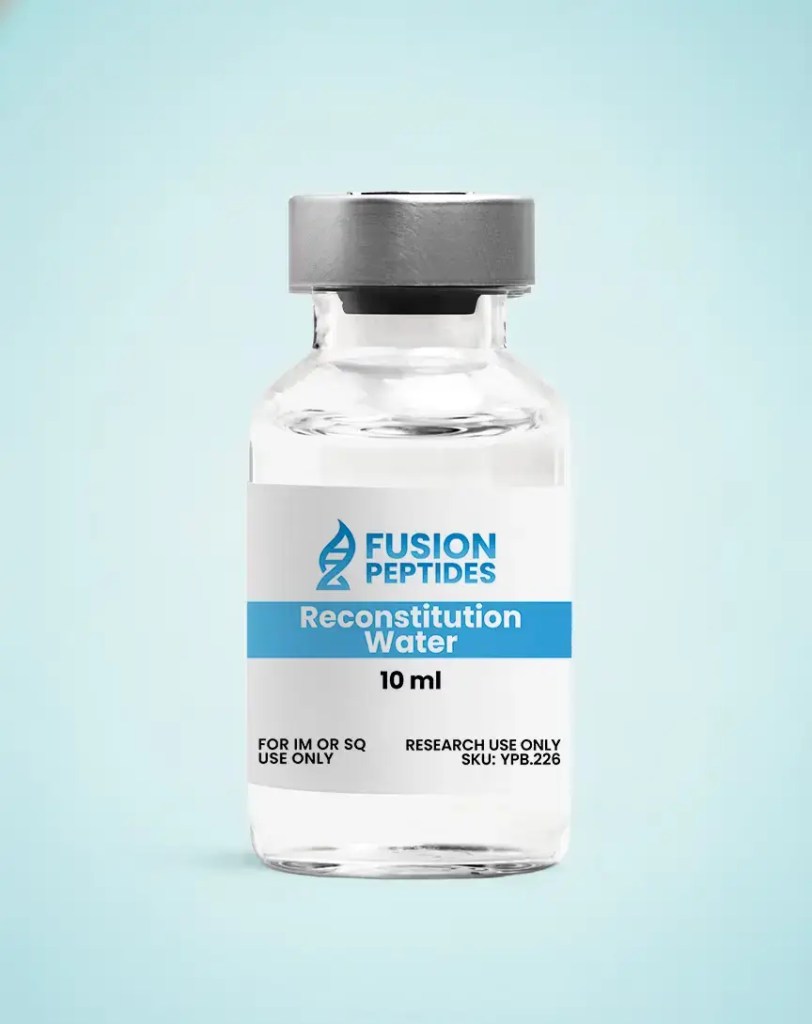
- Reconstitution: 3.0 mL Bacteriostatic Water
- Concentration: ~16.67 mg/mL (~166.7 mcg per U-100 Syringe Unit)
- Administration: Subcutaneous Injection
- Frequency: Once daily at a consistent time
- Protocol Schedule: 8 to 12 consecutive weeks (Standard gradual titration: 5 mg/day for Weeks 1–2, increasing to 10 mg/day for Weeks 3–8+)
Dosing & Reconstitution Chart
Weeks
Daily Dose
Syringe Units (U-100 / 1mL Syringe)
Vial & Volume Note: Reconstituting a 50 mg vial with 3.0 mL of bacteriostatic water provides a concentration of ~16.67 mg/mL. At standard 10 mg daily dosing, one 50 mg vial provides 5 daily doses (0.60 mL each). Doses up to 15 mg fit in a single 1 mL syringe (90 units); 20 mg doses must be split into two separate injections (0.60 mL each).
Protocol Supply Calculations
For an 8 to 12-week daily subcutaneous protocol:
- SS-31 50 mg Vials: 10 vials for 8 weeks (standard schedule); 16 vials for 12 weeks (standard schedule); 21 vials for 12 weeks (advanced schedule).
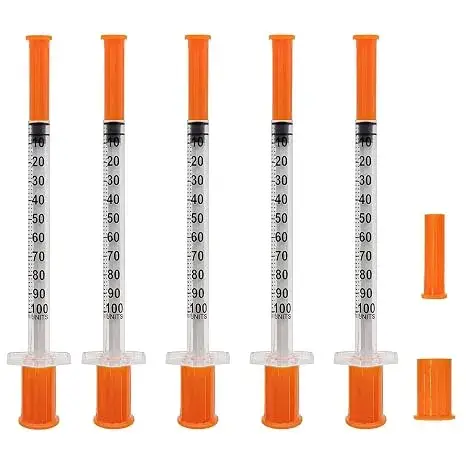
- Insulin Syringes (U-100, 1 mL): 56 syringes for 8 weeks; 84 syringes for 12 weeks (additional syringes required if splitting 20 mg doses).
- Bacteriostatic Water: 1 × 30 mL bottle for 8 weeks (30 mL total); 2 to 3 × 30 mL bottles for 12 weeks.
- Alcohol Swabs: 112 to 168 swabs (2 per day: 1 for vial stopper, 1 for injection site).
Reconstitution Steps
- Prepare and Sanitize
Wipe the rubber stoppers of both the bacteriostatic water bottle and the 50 mg SS-31 vial with fresh alcohol swabs. Allow them to air-dry completely (30–60 seconds). - Draw Diluent
Using a sterile mixing syringe, draw up exactly 3.0 mL of bacteriostatic water. - Add Liquid Slowly
Insert the needle into the 50 mg SS-31 vial at a slight angle. Direct the stream of bacteriostatic water down the inner glass wall of the vial rather than spraying directly onto the powder cake to prevent foaming. - Dissolve Content
Gently roll or swirl the vial between your palms until the powder is entirely dissolved and the liquid is completely clear. Do not shake vigorously. - Label and Refrigerate
Label the vial with the preparation date and concentration (~16.67 mg/mL). Refrigerate immediately at 2–8°C (35.6–46.4°F), protected from light exposure. Use within 4 weeks.
Storage & Stability
- Lyophilized Powder (Unmixed): Store long-term frozen at −20°C (−4°F) in the original sealed vial, kept dry and protected from light. Allow frozen vials to reach room temperature before opening to minimize condensation.
- Reconstituted Solution (Mixed): Store strictly refrigerated at 2–8°C (35.6–46.4°F) immediately after mixing. Do not refreeze reconstituted liquid. Reconstituted with bacteriostatic water, use within 4 weeks for optimal stability and potency.
Subcutaneous Injection Technique
- Timing: Inject once daily at a consistent time each day.
- Injection Sites: Select areas with a rich subcutaneous fat layer, such as the periumbilical region of the abdomen (at least 2 inches away from the navel), outer upper thighs, upper arms, or upper buttocks.
- Site Rotation: Rotate injection sites systematically across different regions to prevent localized tissue lipohypertrophy or skin sensitivity.
- Administration Method: Pinch a fold of clean skin (1–2 inches), insert the U-100 needle at a 45° to 90° angle (90° for average build, 45° if lean), and depress the plunger slowly over 3–5 seconds. Hold for 5 to 10 seconds before withdrawing to prevent leakage.
- Safe Disposal: Discard used single-use syringes immediately into an approved, puncture-proof sharps container. Never recap needles.
Technical Notes & Observational Safety
- Injection-Site Reactions: Localized, mild-to-moderate skin reactions (redness, itching, transient discomfort) are the most common reported side effects (~80% in clinical trials) and typically resolve within a few hours.
- High Safety Profile: Published human clinical trials demonstrate favorable safety and tolerability with no dose-limiting toxicities.
- Split Dose Management: For high-dose advanced protocols (20 mg/day requiring 1.20 mL), split into two separate 0.60 mL injections administered at different body sites spaced at least 2 inches apart.
Regulatory Compliance Disclaimer
IMPORTANT NOTICE: This content is intended exclusively for educational and research purposes. SS-31 (Elamipretide) is FDA-approved under the brand name Forzinity specifically for Barth syndrome; use for other conditions remains investigational. This material does not constitute medical advice, diagnosis, or treatment. Always consult qualified healthcare professionals before beginning any protocol.
View Supplier

References
- International Journal of Molecular Sciences (MDPI)
- British Journal of Pharmacology (PMC)
- U.S. Food & Drug Administration (FDA)
- Journal of the American College of Cardiology (JACC)
- Orphanet Journal of Rare Diseases (PMC)
- Centers for Disease Control and Prevention (CDC)
- Johns Hopkins Arthritis Center
- NCBI Bookshelf (StatPearls)
- Pharmacologic Considerations of Subcutaneous Drug Administration (PMC)